The rise of the EV industry has been phenomenal. No one saw it coming. However, its presence is being felt worldwide, not only in North America, Europe, Asia, Africa, and Australia, but also in most places where people live. At the commencement of the Electric Vehicle revolution, there were many naysayers. All of them have been proven wrong.
From General Motors to Toyota, automakers are on a quest to eliminate gasoline cars for a future of automotive filled with clean, electric automobiles. However, this might mean doom for the thousands of auto employees who will be rendered obsolete. According to Ford and Volkswagen, electric vehicles need 30% less labor than conventional automobiles. The consulting company AlixPartners estimates that an electric vehicle’s motors and battery pack require 40% less work than an engine and gearbox. The implications of this monumental shift on the future of automotive employment are not yet completely understood. However, industry observers warn that the sector will witness job losses. The Economic Policy Institute, a liberal think tank, predicted in a September study that the United States might lose 75,000 auto positions by 2030 if domestic sales of electric vehicles reach 50% (Today, they constitute around 5%). European automotive suppliers believe that EVs might cost them 275,000 jobs by 2040, even with the additional employment created by the production of EV components. ELITE EXTRA: What To Expect In The Future Of Automotive Manufacturing by Colton Ward, September 9, 2022.
The changes wrought by the advent of electric vehicles are far-reaching. Initially, one big issue was range anxiety, as motorists worried about the availability of charging stations, the long waits they had to endure while their vehicles charged, and the ability of batteries to hold their charge during freezing weather. Inventions and innovations over the past ten years have made most of these concerns a thing of the past.
EVs generally display the expected range on the dash, so it’s never a surprise. The number goes down a bit if it’s cold and you turn on the heater, and I’ve seen it go up while descending a long hill, but it’s never a surprise. We’ve had the car for five years, and have never had to worry about the range. It may have taken a few days to gain confidence in the display and understand how driving behavior affects it, but I don’t remember ever being surprised. So I suspect “range anxiety” is a problem for people who have not yet owned an EV, but not so much for those of us who have been driving them day in and day out. On the other hand, we are able to charge at home; If we had to find public spots to charge, that would present problems in areas without widely available public charging infrastructure. QUORA: Does “Range Anxiety” Dissipate Over Time When Owning An Electric Vehicle, by Michael Nickerson.

LondonCNN —
A British startup may have found the answer to one of the frustrations of driving an electric car — waiting around for the battery to charge. Nybolt, based in Cambridge, has developed a new 35kWh lithium-ion battery that was charged from 10% to 80% in just over four and a half minutes in its first live demonstration last week. That is much faster than the 20 minutes or so it currently takes some electric cars using a fast charger, such as a Tesla (TSLA) Supercharger. It is also much closer to the two minutes it takes to fill up the average gasoline-powered car. “Our extensive research here in the UK and US has unlocked a novel battery technology that is ready and scalable right now,” Nyobolt’s co-founder and CEO, Sai Shivareddy, said in a statement Friday. “We are enabling the electrification of new products and services currently considered inviable or impossible.” CNN: This Electric Car Battery Takes Less Than Five Minutes To Charge by Olesya Dmitracova, Monday, July 1, 2025.
Electrically powered cars aren’t the only current rage. There are electrically powered cycles, motorcycles, and semi-trucks. Furthermore, such achievements aren’t enough for our current inventors; they are presently perfecting electrical flying cars and also autonomous vehicles.
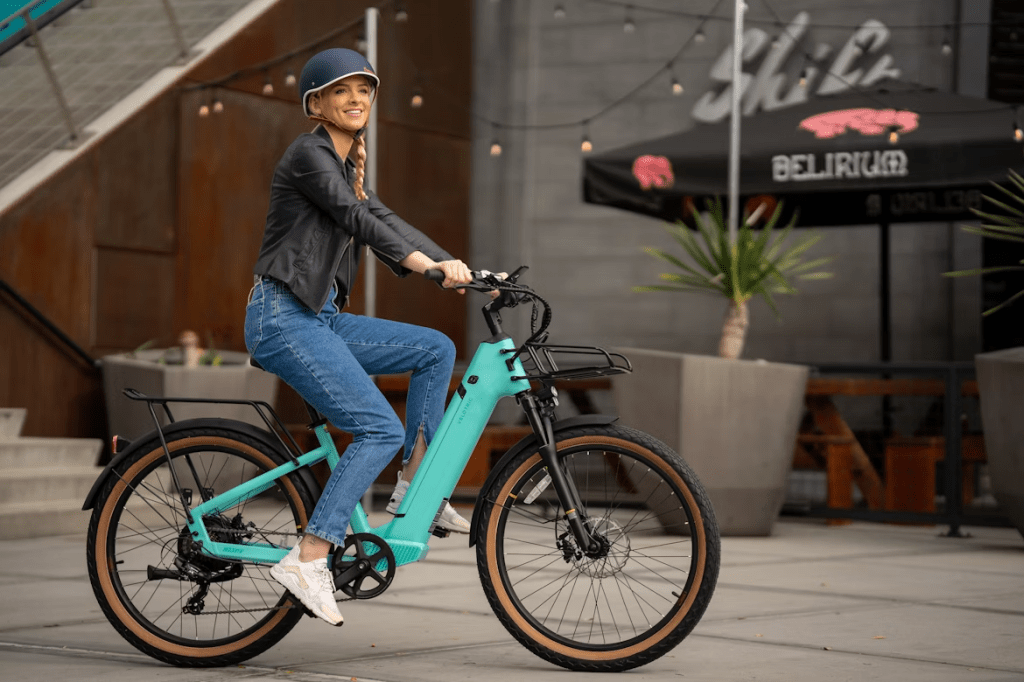
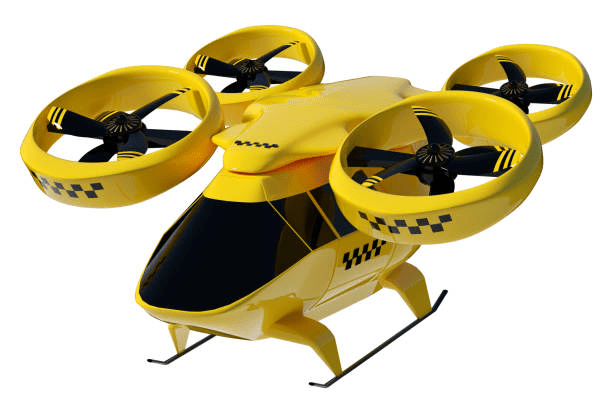
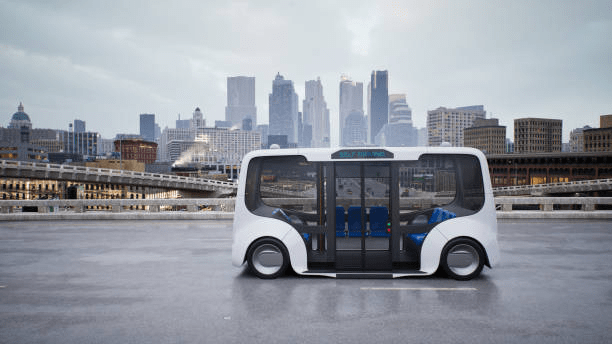
We live in a different world today than we did fifteen years ago. Many of us won’t even bother buying an electric bicycle or a flying car. Although some, because of where they live, will have to travel in an autonomous vehicle. Civilization as we know it is changing rapidly, and the world to which we have become accustomed is quickly passing away.

 aadventuresinghana.wordpress.com